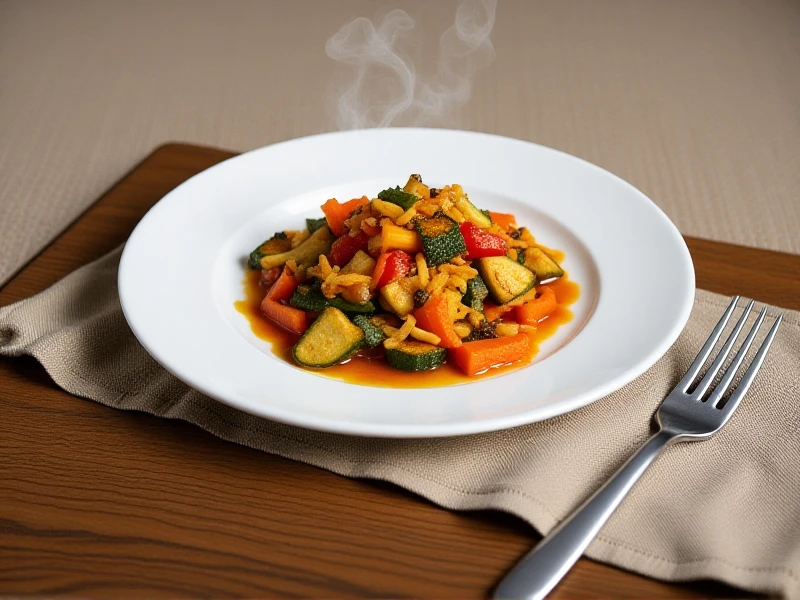
The Humble Plate: Exploring Its History, Uses & Versatile Types
For centuries, the simple plate has been central to human dining culture. More than just a vessel for food, plates shape how we experience meals, influence presentation, and reflect evolving design sensibilities. Understanding the journey and diversity of plates offers a fascinating glimpse into culinary history and modern practice.
The story begins millennia ago. Ancient civilizations used sturdy materials like stone, wood, or clay slabs for serving meals. The concept evolved, with ancient Greeks and Romans developing crude pottery plates and platters. It wasn't until the European Renaissance that plates, especially decorative chargers, became symbols of status, often crafted from precious metals or intricately painted ceramics. The discovery of bone china in England later revolutionized plate production, offering unmatched strength, translucency, and a refined aesthetic accessible to wider audiences.
The plate remains fundamentally essential today. Its core purpose is twofold: to provide a hygienic surface for food and to contain it, preventing spills. Beyond function, the plate directly impacts dining enjoyment. The right plate enhances food presentation – elevating colors, textures, and organization – transforming a simple meal into a visually appealing experience that stimulates the appetite. Choosing appropriate plates contributes significantly to setting ambiance and formality.
The variety of plates available now caters to every need and style:
- Dinner Plate: Your go-to plate. Typically 10-12 inches, it holds the main course and is the foundation of a place setting.
- Salad Plate: Smaller, usually 7-9 inches, designed for appetizers, salads, desserts, or breads, often used atop a dinner plate during service.
- Appetizer Plate: Even smaller, perfect for bite-sized starters, tapas, cheese, or nuts at casual gatherings.
- Dessert Plate: Similar size or slightly smaller than a salad plate, sometimes featuring delicate patterns, exclusively for sweet courses.
- Bread & Butter Plate: A small companion plate for butter pats, rolls, jams, or dipping sauces.
- Charger Plate: A large, decorative base plate used purely for visual impact under the dinner or salad plate during formal settings, typically removed before food is served onto the upper plate.
Beyond these, specialized plates like sushi platters, pasta bowls (a plate-bowl hybrid), or compartmentalized cafeteria trays exist. Materials range drastically – from classic ceramic, durable stoneware, fine porcelain, and modern melamine for outdoor use to elegant glass, rustic wood boards, and chic metal options.
Selecting the right plate involves considering the meal's formality, the nature of the food, dishwasher safety, and aesthetic harmony with your tableware. The humble plate, while seemingly basic, is a versatile and vital tool in the art of dining, bridging utility with cultural expression and design. Investing in quality, varied plates enhances everyday meals and elevates dining occasions. Remember to consider depth slightly more than width when selecting plates, as it can often hold sauces effectively without spillage.